

Tow Systems for Sea Kayaking

Updated: Aug 23
A brief list with pros and cons of towing systems for sea kayakers in 2026

As someone who has spent more than 20 years teaching sea kayaking and leading kayaking tours in Seattle, I've done more than my fair share of towing in all manner of conditions. I've also used many of the towing products available on the market today. Before we jump into the various options for tow systems and their specific pros and cons, here is what to consider when buying a tow system for sea kayaking.
How much towing will you be doing and under what conditions?

If you are a recreational paddler who likely won't have to do much if any towing especially under dynamic conditions you don't need features like a shock absorber, or 50 feet of floating, low stretch line.
If you are a guide, instructor or paddle with a group like the Mountaineers (where towing is something that will be practiced often), it is worth it to have a tow system that will hold up to a lot of use. It should also work well in a variety of conditions--not just flat water. Tow systems used in moving water such as chop or current should have the ability to be released quickly and easily. A shock absorber will also make towing more pleasant when towing for long distances--especially if it's choppy. They greatly reduce the tugging felt by the person towing and make for a much smoother experience.
It's worth noting that some things can be added or changed on many tow systems. For example, a larger carabiner or a pull bead on quick release belts is easy to add. Bungee shock absorbers can also be added to many systems. However, this does take some time and adds cost.
Kayaking Tow Systems not covered in this list
Omitted from this list are deck mounted tow systems and contact tows. Deck mounted towing systems (or tow lines that are attached directly to the kayak doing the towing) in my experience are very specific to the kayak they are attached to--there is no truly universal system on the market.
Contact tows are left off of this list for two reasons: first, they are only useful in very specific circumstances (which most recreational paddlers never encounter), and second even for experienced paddlers they can be more of a nuisance than a help.
North Water Rescue Nano Tow

A simple, bare bones waist belt tow system.
Pros
Simplicity--hook the carabiner to what you want to tow and go
Very compact
Expandable pouch makes re-stuffing line easy
Cons
Quick release on belt lacks a pull bead
No shock absorber
30ft of line instead of the 50ft most other systems offer
NRS Pro Kayak Tow Line

A surprisingly full featured waist belt tow system especially for the money. Updated for 2026--now with a metal carabiner for added strength and durability.
Pros
Bungee shock absorber makes towing in chop easier
Mesh bottom of pouch is useful for drying
Float by the tow hook is a nice feature
Cons
Line quality is below that of other systems
Pouch could be larger to make re-stuffing easier
North Water Rescue Micro Tow Line

An upgrade from the Nano. Still compact and easy to use.
Pros
Comes set up with both a short and long tow
Large pouch makes re-stuffing line easy while on the water
Cons
No pull bead on quick release belt
No shock absorber
Kokatat Slipstream Waist Belt Tow
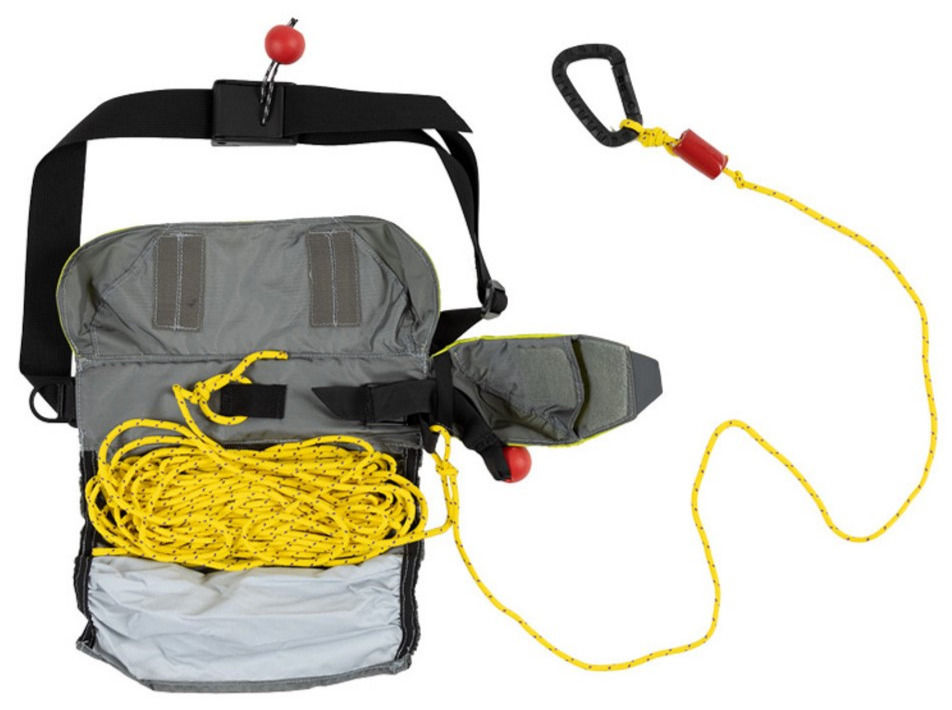
The most compact waist belt system in this guide and offers the most features.
Pros
Super compact and lightweight (smaller than a Gordito's burrito!)
Dual length capable
Cons
Re-setting the dual length rigging takes some getting used to and can be fiddly
Pouch is not really a pouch and more of a roll--re-stuffing while on the water is easy but not as secure as other systems
No shock absorber
North Water Sea Link PFD Tow System

The smallest (and shortest) of the tow systems on our list, this PFD mounted system is simple, robust, and always with you.
Pros
Dual length capable
The best built in shock absorber on the market
Carabiner is large enough to clip to a paddle if needed
Cons
Must be used with a type V Rescue PFD
Pouch is very small so re-stuffing on the water is tricky
17ft total length can be a little short for big conditions

Conclusions
There is no one best towing system for sea kayakers--the best depends on your situation and preferences. Hopefully this list has helped differentiate between some of the options out there today. Still have questions? Stop by the shop if you're in Seattle, or give us a call. We're always happy to talk paddling.


Comments